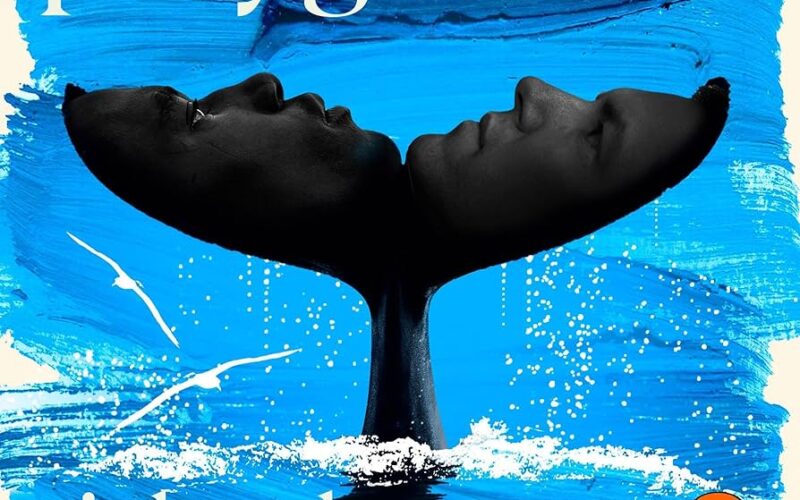
Weaving themes as diverse as oceanography, social divides, artificial intelligence and many others, the genius of Richard Powers is on show again in his latest novel Playground. Powers’ main characters are a Quebecoise marine specialist, a nerdy computer entrepreneur from northside Chicago, his bête noir a literary genius from the southside, and the community of the island of Makatea in French Polynesia where the characters come together for the story’s resolution.
Powers’ ability to seamlessly mix history with fiction, emotions with technology, past with present, and first-person narrative with third-person is unparalleled.
Compared with his previous novel The Overstory the character list is smaller but the story is no less compelling. Indeed, I would argue that the ending of Playground is more intriguing.
The oceanographic details are spawned through the character of Evelyne Beaulieu:
“How inappropriate to call this planet Earth, when clearly it is Ocean.”
The life-like artificial intelligence from tech entrepreneur Tod Keene:
“Neither Rafi nor I saw what was happening. No one did. That computers would take over our lives: Sure. But the way that they would turn us into different beings? The full flavor of our translated hearts and minds?”
And the literature through African-American Rafi Young:
“You know why I love games? For the same reason I love literature. In a game…in a good poem or story? Death is the mother of beauty.”
In the end we recognize Makatea as a microcosmic representation of the planet with the residents being pushed and pulled by internal and external influences including the natural environment, climate change, business interests, culture and human foibles.
Will the population of the planet come to similar conclusions as do the residents of Makatea? One can imagine 84 people coming together to determine their future. How about eight billion?
The reviewer is a co-author of Court of the Grandchildren, a novel set in 2050s America.
Main image credit: Penguin
For posts on similar themes, consider: